Advanced Implant Planning: The Key To Precision And Predictable Dental Outcomes
Advanced implant planning has transformed modern dentistry by making procedures more accurate, efficient, and patient-friendly. With the help of digital tools and guided techniques, dentists can now deliver highly predictable results while minimizing risks and recovery time.
Understanding Advanced Implant Planning In Modern Dentistry
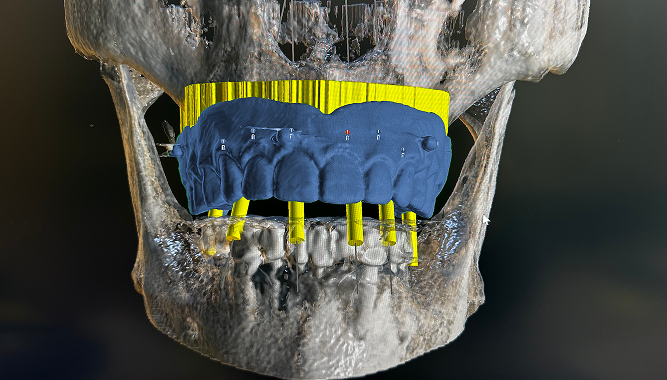
Advanced implant planning refers to the use of digital technologies, imaging systems, and specialized software to carefully map out dental implant procedures before they are performed. Instead of relying solely on manual judgment, dentists can now visualize the patient’s bone structure, nerve positions, and ideal implant placement in a virtual environment.
This process typically involves 3D imaging such as CBCT scans, which provide detailed insights into the patient’s oral anatomy. Using this data, dental professionals can design a customized treatment plan tailored to the individual’s needs. This level of precision reduces complications and ensures that implants are placed in the most optimal position.
Another key advantage is improved communication. Dentists can explain procedures more clearly to patients using visual simulations, helping them understand the expected outcomes and boosting confidence in the treatment process.
Benefits Of Advanced Implant Planning For Patients And Dentists
Advanced implant planning offers numerous benefits that significantly enhance both patient experience and clinical outcomes. For patients, the biggest advantage is accuracy. Precise planning reduces the chances of implant failure and ensures a better fit, which leads to improved comfort and functionality.
In addition, the process often results in shorter surgical times. Since everything is planned in advance, dentists can perform procedures more efficiently. This also minimizes discomfort and speeds up recovery, allowing patients to return to their daily routines faster.
For dental professionals, advanced implant planning provides greater control and predictability. It reduces guesswork and enhances confidence during surgery. Moreover, it allows for better case management, especially in complex situations where bone density or anatomical limitations might pose challenges.
How Does Advanced Implant Planning Work?
The process of advanced implant planning begins with a thorough assessment of the patient’s oral health. Dentists first collect detailed imaging data using advanced scanning technologies. This data is then uploaded into specialized software that creates a 3D model of the patient’s mouth.
Once the digital model is ready, the dentist can simulate the implant placement. They determine the ideal angle, depth, and position for each implant while considering factors like bone density and proximity to nerves. This ensures maximum stability and long-term success.
After finalizing the plan, a surgical guide is often created. This guide acts as a template during the actual procedure, helping the dentist place implants with exceptional precision. The result is a smoother surgery with minimal room for error.
Why Is Advanced Implant Planning Important?
Advanced implant planning is crucial because it directly impacts the success rate of dental implants. Without proper planning, there is a higher risk of complications such as improper placement, nerve damage, or implant failure.
One of the main reasons this approach is important is its ability to customize treatments. Every patient has unique anatomical features, and a one-size-fits-all approach simply doesn’t work in implant dentistry. Advanced planning ensures that each treatment is tailored to the individual’s specific needs.
Additionally, it improves long-term outcomes. Properly placed implants are more stable, function better, and last longer. This reduces the need for corrective procedures in the future, saving both time and money for patients.
Technologies Used In Advanced Implant Planning
Modern advanced implant planning relies on a range of innovative technologies that work together to deliver precise results. One of the most important tools is Cone Beam Computed Tomography (CBCT), which provides detailed 3D images of the jawbone and surrounding structures.
Another essential component is implant planning software. These programs allow dentists to analyze patient data, simulate procedures, and design surgical guides. The integration of artificial intelligence in some software solutions further enhances accuracy and decision-making.
3D printing technology also plays a significant role. It is used to create custom surgical guides that help ensure implants are placed exactly as planned. These guides are tailored to each patient, making the procedure highly personalized.
Common Challenges And How Advanced Planning Solves Them
Dental implant procedures can present several challenges, especially in complex cases. Patients with low bone density, irregular jaw structures, or proximity to vital nerves require careful handling. Traditional methods may struggle to address these issues effectively.
Advanced implant planning solves these challenges by providing a clear roadmap for the procedure. Dentists can identify potential problems early and develop strategies to overcome them. For example, they can plan bone grafting procedures or adjust implant positions to ensure stability.
Another common challenge is achieving aesthetic results. Implants must not only function well but also look natural. Advanced planning allows dentists to align implants with surrounding teeth, ensuring a seamless appearance.
Future Trends In Advanced Implant Planning
The future of advanced implant planning looks promising, with continuous advancements in technology shaping the field. Artificial intelligence and machine learning are expected to play a bigger role, enabling even more precise and efficient treatment planning.
Augmented reality (AR) and virtual reality (VR) may also become part of the process, allowing dentists to visualize procedures in real-time and enhance surgical accuracy. These technologies could revolutionize how implants are planned and placed.
Another emerging trend is the integration of digital workflows. From initial consultation to final restoration, every step can be managed digitally, improving efficiency and patient experience.
As these innovations continue to evolve, advanced implant planning will become even more accessible and effective, setting new standards in dental care.
Conclusion
Advanced implant planning has redefined the way dental implants are performed, offering unmatched precision, safety, and predictability. By leveraging modern technologies and digital tools, dentists can create highly customized treatment plans that ensure optimal results for every patient.