How Often Should You Schedule Carpet Cleaning Services?
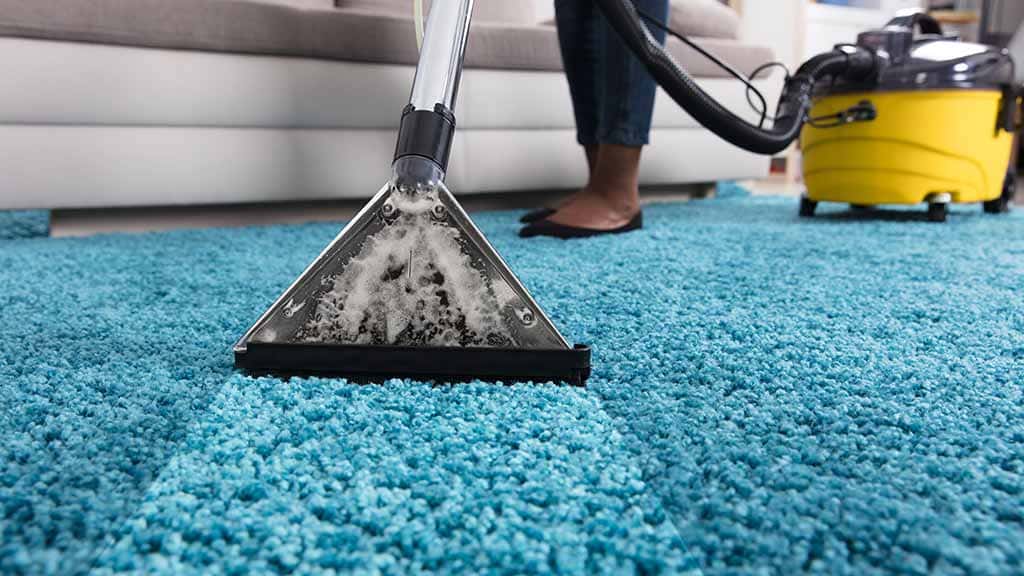
Clean carpets play an important role in maintaining a professional business environment. Carpets collect dust, dirt, allergens, and moisture every day, which can affect appearance and indoor air quality. Regular maintenance helps protect flooring investments and creates a healthier space for employees and visitors. Many business owners wonder about the right cleaning schedule, and the answer depends on several important factors, including traffic levels, industry requirements, and the type of cleaning method used by a Commercial Carpet Cleaning Service.
Why Carpet Cleaning Frequency Matters
Carpets experience constant wear from foot traffic, furniture movement, and airborne particles. Dirt trapped deep within carpet fibers gradually causes damage that regular vacuuming cannot remove. Professional cleaning helps eliminate buildup before it shortens the carpet’s lifespan. A consistent schedule also helps maintain a neat appearance that reflects positively on a business. Companies that delay cleaning often face higher replacement costs because stains, odors, and fiber damage become harder to address over time. Regular care protects both appearance and long-term value.
Factors That Determine Cleaning Schedules
Every business has different cleaning needs based on daily activity and environmental conditions. Offices with limited visitors may require less frequent service than retail stores or hospitality venues. Weather patterns, building entrances, and the number of employees also influence how quickly carpets become dirty. Industry standards often play a role as well, particularly in healthcare and educational facilities. Evaluating these factors allows facility managers to create a practical maintenance plan that balances cleanliness, cost control, and carpet longevity.
Recommended Cleaning Frequency for Most Businesses
Most commercial properties benefit from professional carpet cleaning every three to six months. This timeframe helps remove embedded soil before permanent damage occurs. Businesses with moderate foot traffic often find quarterly cleaning sufficient for maintaining a clean appearance. Larger facilities may schedule different areas at different intervals depending on usage patterns. Meeting rooms, hallways, and reception areas typically require more attention than private offices. A structured cleaning calendar ensures carpets remain presentable throughout the year without unnecessary service appointments.
High-Traffic Areas Need More Frequent Attention
Entranceways, corridors, waiting rooms, and customer-facing spaces accumulate dirt much faster than other sections of a building. Heavy foot traffic pushes debris deeper into carpet fibers, making removal more difficult over time. Monthly or bi-monthly cleaning may be necessary in these locations to preserve appearance and prevent wear. Frequent maintenance also reduces the likelihood of stains becoming permanent. Businesses that identify and prioritize high-use areas can maintain cleaner facilities while managing overall cleaning expenses more effectively.
Industry-Specific Requirements to Consider
Certain industries require stricter carpet maintenance due to health, safety, or customer expectations. Medical facilities, childcare centers, and hospitality businesses often need more frequent cleaning to support hygiene standards. Professional offices may focus primarily on appearance and employee comfort. Educational institutions face unique challenges because of continuous foot traffic throughout the day. Understanding industry expectations helps businesses develop cleaning schedules that align with operational goals. Tailoring maintenance practices to specific environments produces better results than relying on a generic schedule.
Signs Your Carpets Need Professional Cleaning
Several indicators suggest it may be time to schedule service sooner than planned:
- Visible stains that do not disappear after routine cleaning
- Persistent odors within the workspace
- Increased allergy complaints among occupants
- Dark traffic lanes in heavily used areas
- Noticeable dust accumulation after vacuuming
- Matted carpet fibers that appear worn
- Reduced overall appearance of cleanliness
Recognizing these warning signs early helps prevent deeper carpet damage and supports a healthier indoor environment for everyone who uses the space.
Creating an Effective Carpet Maintenance Plan
A successful maintenance plan combines routine vacuuming with scheduled professional cleaning. Facility managers should begin by evaluating traffic patterns throughout the building and identifying areas that require extra attention. Recording cleaning dates helps track results and determine whether adjustments are needed. Partnering with experienced service providers ensures appropriate cleaning methods are selected for specific carpet materials. Regular inspections support proactive maintenance and reduce unexpected issues. Consistent planning allows businesses to maintain attractive carpets, improve cleanliness, and maximize flooring life without overspending.
Conclusion
Professional carpet cleaning should be viewed as an essential part of facility maintenance rather than an occasional task. The ideal schedule depends on traffic levels, industry requirements, and the overall condition of the carpet. Many businesses benefit from cleaning every three to six months, though high-traffic environments may require more frequent attention. A proactive approach helps protect carpet investments, improve workplace appearance, and support healthier indoor spaces. Establishing a structured maintenance plan ensures carpets remain clean, durable, and presentable throughout the year.